Home / Articles
How iTind™ Works for Prostate Symptoms Without Cutting or Burning
Home / Articles
How iTind™ Works for Prostate Symptoms Without Cutting or Burning
To be honest, most men don’t seek help for urinary problems right away. They adapt. They wake up multiple times a night. They plan their day around bathrooms. They tell themselves it’s just part of getting older.
This article explains—clearly and practically—how iTind works, why it’s different from traditional prostate procedures, and who it may be right for, all from the perspective of real-world urological experience.
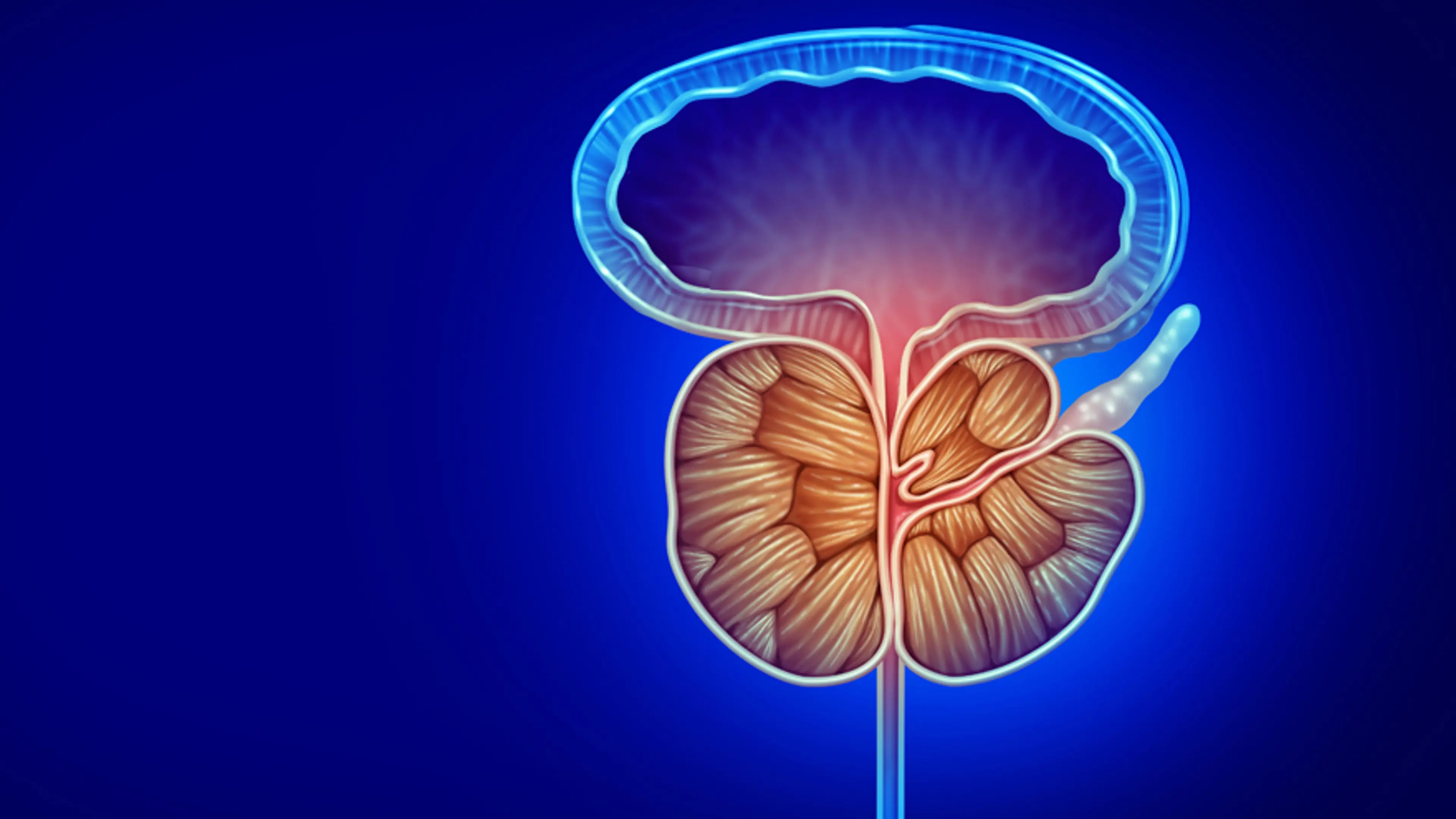
The prostate is a small gland, but its location makes it powerful. It sits directly below the bladder and wraps around the urethra, the tube that carries urine out of the body.
As men age, the prostate often enlarges—a condition known as benign prostatic hyperplasia (BPH). “Benign” means non-cancerous, but the symptoms can be anything but harmless to daily life.
When the prostate grows inward, it compresses the urethra. Think of it like a control valve that’s slowly being squeezed shut. The bladder must work harder to push urine through a narrowed channel, leading to:
Weak or interrupted urine stream
Difficulty starting urination
Frequent urination, especially at night
Urgency or incomplete emptying
Medications can help, but they don’t work for everyone and often come with side effects. Traditional surgery is effective but involves cutting or burning prostate tissue—something many men understandably want to avoid.
This makes iTind fundamentally different from:
TURP (tissue removal)
Laser treatments (thermal destruction)
Permanent urethral stents
In simple terms, iTind gently re-educates the prostate anatomy rather than forcing it into submission.
The iTind device is placed through the urethra using a cystoscope, a thin instrument commonly used in urology. The procedure is typically done under local anesthesia or light sedation.
There are no incisions, no scalpels, and no heat. Most patients describe the sensation as pressure rather than pain.
Once positioned at the bladder neck and prostatic urethra, the device opens into its functional shape.
This pressure gradually reshapes the narrowed urinary channel. A useful analogy is orthodontic braces: nothing is cut or burned—structures are guided into a better alignment over time.
This process creates:
A wider urinary opening
Reduced resistance during urination
Improved bladder emptying
The device remains in place for about a week. During this time, most patients go home and continue daily life with minimal restrictions.
Some men notice:
A sensation similar to having a catheter
Temporary urgency or mild discomfort
These effects are expected and usually manageable. Importantly, there is no hospital stay and no prolonged recovery phase.
After the dwell period, the device is removed using the same cystoscopic approach. Removal is typically quick and uncomplicated.
Once removed, the newly reshaped urinary passage remains open. Because no tissue was destroyed, the body does not need to “heal” in the way it does after surgery.
Many men notice improvement in urine flow shortly after removal, with continued improvement over the following weeks.
Traditional prostate surgeries work by removing or destroying tissue. While effective, they come with trade-offs:
Bleeding
Longer catheter use
Hospital stays
Higher risk of ejaculation changes
Greater recovery time
Lower risk of sexual side effects
Faster return to normal activities
Reduced procedural stress
Fewer long-term anatomical changes
At Khan Urology Clinic, this tissue-preserving philosophy is especially valuable for men who want symptom relief without closing the door on future treatment options.
iTind is not designed for every prostate condition, but it can be an excellent option for men who:
Want to avoid permanent implants or surgery
Are dissatisfied with medications or their side effects
Value preservation of sexual function
Prefer a quick recovery with minimal downtime
In our clinical experience, iTind often appeals to active professionals, international patients, and men who want effective treatment without a long interruption to daily life.
A thorough evaluation is essential. Prostate size, anatomy, bladder function, and symptom pattern all matter.
Medications are often the first step in managing BPH, but they are not a perfect solution.
Common concerns include:
Dizziness or low blood pressure
Reduced libido or ejaculation changes
Incomplete symptom relief
Lifelong daily use
Mild urinary awareness
Temporary urgency
Ability to go home the same day
Normal daily activities usually possible
Some adjustments for comfort
Clear guidance from the care team
Gradual improvement in urinary flow
Less straining and better emptying
Improved sleep due to reduced nighttime urination
Most men return to work quickly and do not require extended recovery time.
iTind has a strong safety profile when used in appropriate patients. Possible short-term effects include:
Mild bleeding
Urinary irritation
Temporary discomfort
Rare urinary infection
Because the device is temporary and non-destructive, long-term complications are uncommon. Follow-up care ensures that improvements are sustained and that any concerns are addressed early.
One thing we often observe is how long men wait before seeking help. Many believe surgery is the only real option and decide to endure symptoms instead.
When they learn that mechanical remodeling—without cutting or burning—is possible, there’s often visible relief. Not just physical relief, but psychological relief.
Better urination isn’t just about comfort. It affects sleep, travel, work focus, and confidence. Addressing it early can significantly improve overall quality of life.
If you’re wondering whether your symptoms are “serious enough,” you’re not alone. That uncertainty is common—and it’s exactly why a proper evaluation matters.
You don’t need to commit to surgery to take your symptoms seriously. Modern urology offers options that sit comfortably between medication and invasive procedures.
At Khan Urology Clinic, we focus on matching the right treatment to the right patient—not pushing one-size-fits-all solutions.
Urinary symptoms caused by prostate enlargement are common, but living with them unnecessarily is not inevitable.
If you’re looking for a solution that:
Avoids cutting and burning
Preserves sexual function
Offers meaningful symptom relief
Fits into a busy life
Then iTind may be worth exploring.
If you’ve noticed persistent urinary changes, consider a consultation at a specialized center like Khan Urology Clinic. A personalized evaluation can clarify whether iTind—or another minimally invasive option—is right for you.